Museum of Fine Arts: Castellon's Art Treasure
June 27, 2025

I spent about two hours exploring the museum's impressive collection of Valencian art, finding the temporary exhibition particularly engaging. The museum is conveniently located near Castellon's city center, with easy access by public transport and a welcoming atmosphere for art enthusiasts.
Tucked in the heart of Castellon, this museum holds the untold stories of regional artists through a remarkable collection spanning two centuries. Uncover the hidden narratives of Valencian art that most travelers never get to see.
Need-to-Know Info Before Visiting Museum of Fine Arts

5+
images
Museum of Fine Arts Address
Avenida de los Hermanos Bou, 12003 Castellón de la Plana, Spain
Museum of Fine Arts Opening Hours
- 🕒 Tuesday-Saturday: 10 AM - 2 PM, 4 PM - 8 PM
- 🕒 Sunday: 10 AM - 2 PM
- 🕒 Monday: Closed
How to get to Museum of Fine Arts
- 🚗 By car: Park in nearby municipal parking lots on Avenida de los Hermanos Bou
- 🚌 Public transport: Urban bus lines L1, L2, and L3 stop nearby
- 🚕 Rideshare: Uber and local taxi services available in Castellon
What is Museum of Fine Arts known for?
- Hosts significant collection of regional Valencian art from 19th and 20th centuries
- Features permanent exhibitions of local painters and sculptors
- Preserves important cultural heritage of Castellon province
- Offers free entry to permanent collection for residents and tourists
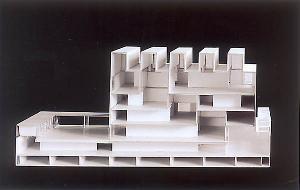
- Located in modern architectural building designed specifically for art display
What is Museum of Fine Arts in Castellon de la Plana?
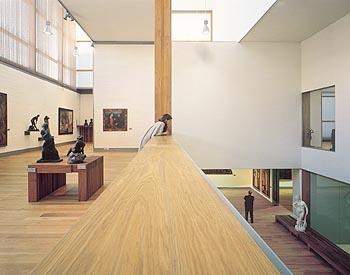
The Museum of Fine Arts sits right in the heart of Castellon, capturing the artistic pulse of the Valencian region. Located in a modern architectural space, this museum draws art enthusiasts and curious travelers looking to understand the cultural landscape of Spain's eastern coast. Tourists consistently rate it as a top stop for understanding local artistic heritage, with collections that showcase works by regional painters and sculptors from the 19th and 20th centuries. The museum attracts around 50,000 visitors annually, making it a significant cultural destination for both international tourists and Spanish art lovers. Its clean, contemporary design provides an ideal backdrop for displaying regional artwork, with large gallery spaces that allow visitors to explore Castellon's artistic narrative without feeling overwhelmed. Photography is permitted in most exhibition areas, creating opportunities for visitors to capture the rich visual storytelling of local art movements. For travelers interested in understanding the artistic development of the Valencian region, this museum provides a concise and engaging narrative through its carefully curated permanent collections.
Top things to do at Museum of Fine Arts
- Explore the permanent collection of Valencian art from the 19th and 20th centuries, featuring works by local painters and sculptors
- Attend free guided tours offered in Spanish and English that provide insights into the regional artistic movements
- Check out the temporary exhibition halls showcasing contemporary regional artists and rotating international collections
- Visit the museum's research library with extensive archives of art books and historical documents about Castellon's cultural heritage
- Participate in the museum's monthly workshop programs that offer hands-on art experiences for adults and children
- Stop by the museum gift shop to purchase art prints, postcards, and local art publications as souvenirs
- Use the museum's digital interactive displays to learn more about the historical context of displayed artworks
- Take advantage of the free audio guide available in multiple languages to enhance your understanding of the exhibits
Tickets and Pricing
Entry to the Museum of Fine Arts in Castellon offers affordable rates for both locals and tourists. General admission costs 5 euros, with reduced rates of 3 euros for students, seniors, and disabled visitors. Children under 12 enter free. Online ticket purchases are available through the museum's official website, offering a convenient way to skip ticket lines. Group discounts are offered for parties of 10 or more, making it an excellent option for school trips or tour groups.
History of Museum of Fine Arts
- 1946: Initial proposal to establish a regional art museum in Castellon
- 1954: First public collection of local art begins to be assembled
- 1967: Official establishment of the Museum of Fine Arts in its current location
- 1985: Major renovation expanding exhibition spaces
- 2000: Digital archiving project begins to catalog entire museum collection
- 2010: Significant architectural upgrade to modernize museum facilities
- 2018: Introduction of comprehensive digital guide and interactive exhibits
Cultural Significance
The Museum of Fine Arts represents a critical repository of Valencian artistic heritage. It showcases the rich cultural narrative of Castellon, preserving and presenting works that reflect the region's artistic evolution from the 19th century to contemporary times. The museum serves as an important educational institution, connecting local communities with their artistic roots and providing insights into the area's creative traditions.
Tips for Visitors
- Allow at least 2-3 hours for a comprehensive museum visit
- Photography is permitted in most exhibition areas without flash
- Free guided tours are available in Spanish and English on weekends
- Museum has wheelchair accessibility and free lockers
- Best time to visit is weekday mornings to avoid crowds
- Museum cafe offers local Valencian snacks and coffee
- Download museum app for additional exhibit information before visiting
What are some interesting facts about Museum of Fine Arts?
- The museum's collection includes works from artists who were born within 50 kilometers of Castellon, making it a true regional art repository
- During annual museum renovation weeks, local art students are invited to use the storage spaces to study restoration techniques
- One of the museum's most prized possessions is a collection of sketches by local artists that were saved from destruction during the Spanish Civil War
- The museum's archive contains personal correspondence between regional artists that has never been publicly displayed
- Each year, the museum hosts a competition where local artists under 35 can win a sponsored exhibition in the museum's temporary gallery space